

Understanding Custom Software Solutions
Custom software solutions refer to applications specifically designed to meet the unique requirements of a particular business or organization. Unlike off-the-shelf solutions, which are pre-packaged software products that address broad needs, custom software is tailored to address specific functionalities that align closely with a company’s objectives. This bespoke approach often results in software that effectively streamlines operations and enhances user experience.
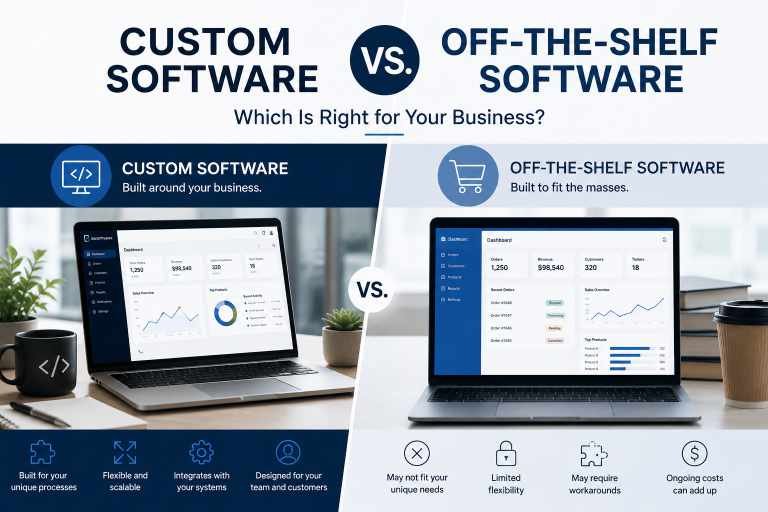
One of the primary characteristics of custom software is its flexibility. Organizations can work with developers to create features that support their workflow and integrate with existing systems, ensuring that the software evolves alongside the business. This adaptability signifies a considerable advantage, as businesses can avoid the limitations often presented by generic software, which may not cater to specialized processes or workflows.
Moreover, custom software solutions foster innovation by allowing businesses to experiment with unique features that off-the-shelf products may not offer. By creating their own tailored applications, companies can implement new technologies and methodologies that set them apart from competitors. This potential for innovation can be critical in today’s fast-paced digital landscape, where staying ahead is paramount.
Despite the higher initial investment associated with developing custom software, the long-term value often justifies the cost. Over time, businesses may find that tailored solutions lead to reduced operational inefficiencies, lower maintenance costs, and greater employee satisfaction. In essence, while off-the-shelf options may provide immediate benefits, custom software solutions can offer deeper alignment with business processes, yielding more substantial growth and adaptability in the long run.
Exploring Off-the-Shelf Software Solutions
Off-the-shelf software solutions refer to pre-packaged applications that are commercially available and designed to meet the needs of a wide range of users across various industries. These products, developed by software companies, often include general functionalities that can be utilized without extensive modifications. Popular examples of off-the-shelf software include well-known applications such as Microsoft Office, Adobe Creative Suite, and various customer relationship management (CRM) tools like Salesforce. Businesses adopt these solutions primarily for their straightforward implementation and immediate availability.
One of the most notable advantages of off-the-shelf software is its affordability. Generally, these products are less expensive than custom-built software due to lower development costs associated with mass production. This reduced financial burden allows businesses, particularly small and mid-sized enterprises, to access powerful tools without straining their budgets. Additionally, off-the-shelf solutions offer quicker deployment times. Since the software is already developed and tested, companies can often start using the software almost immediately, enhancing productivity and getting a faster return on investment.
Another significant benefit is the ongoing updates and support that many software vendors provide. Off-the-shelf solutions typically come with regular updates, ensuring that businesses remain compliant with the latest technology standards and security protocols. This ongoing support allows organizations to focus on their core operations without worrying about software maintenance. However, despite their advantages, off-the-shelf solutions often come with limitations that businesses must consider. One major drawback is the lack of customization; off-the-shelf products may not completely align with a company’s unique processes or requirements. Moreover, adaptability can be an issue if a business’s needs evolve or change over time, as these solutions usually provide a one-size-fits-all approach. Therefore, while off-the-shelf software is an attractive option for many businesses, evaluating specific organizational needs is crucial to determine if it is indeed the right fit.
Cost Considerations: Custom vs. Off-the-Shelf Solutions
When evaluating the financial aspects of custom software versus off-the-shelf solutions, businesses must consider several key factors. The initial development cost of custom software can be significantly higher than the upfront purchase price of off-the-shelf solutions. Custom software requires investment in design, development, and testing tailored to the specific needs of the business, often resulting in substantial initial expenditures.
In contrast, off-the-shelf solutions generally come with a defined price, which is often lower than the estimated cost of building a tailored system. However, this initial saving can be misleading. Organizations must also consider ongoing expenses, including subscription fees for cloud-based systems and potential costs for upgrades and integrations. While off-the-shelf solutions may appear more economical at first glance, the recurring costs can accumulate over time, necessitating a thorough assessment of the total cost of ownership.
Additionally, custom software may offer a higher potential return on investment (ROI) in the long run, especially for businesses with unique processes or needs. A well-designed custom application can enhance efficiency and productivity, contributing to increased profitability. Meanwhile, off-the-shelf solutions may require businesses to adapt their processes to fit the software, which can hinder operational effectiveness and lead to missed opportunities for optimization.
Moreover, when planning for growth, businesses must evaluate scalability and future needs. Customized software can be built to adapt as the company grows and evolves, often making it a more sustainable investment. On the other hand, as organizational demands increase, off-the-shelf solutions may necessitate additional expenditures for supplementary services, further emphasizing the importance of a comprehensive cost analysis.
In summary, while off-the-shelf software may provide immediate savings, the long-term costs associated with customization, maintenance, and scaling should weigh heavily in decision-making. Organizations should evaluate not only the initial investment but also the broader financial implications when choosing the most suitable software solution.
Flexibility, Scalability, and Integration: The Key Factors
When considering software solutions, flexibility, scalability, and integration capabilities are critical factors that significantly influence a business’s decision-making process. Custom software solutions are designed to be inherently flexible, allowing organizations to tailor the functionalities to meet their specific operational needs. This means that as a business evolves and its requirements change, custom software can be adjusted accordingly, providing a responsive approach to new challenges and opportunities.
Scalability is another vital attribute where custom solutions excel. Growth can bring about diverse challenges such as increased data volume, user load, and a need for additional features. A well-designed custom software solution can effortlessly scale to accommodate such growth, ensuring that performance remains consistent and resources are efficiently utilized. Businesses that anticipate expansion may find that investing in bespoke software pays dividends over time as their needs diversify.
In contrast, off-the-shelf solutions, while often more accessible and quicker to implement, may come with limitations regarding flexibility and scalability. These solutions are commonly created to cater to a broad audience, which can result in a one-size-fits-all approach. While they may integrate well with certain existing business tools, they may lack the adaptability needed for companies with unique workflows or requirements. However, many off-the-shelf options are designed with integration capabilities in mind, allowing for easier incorporation into established systems.
Ultimately, the choice between custom and off-the-shelf software hinges on a careful evaluation of flexibility, scalability, and integration potential. Companies that prioritize these factors and foresee future growth may be better suited for custom solutions, while those needing a quick, cost-effective fix might lean toward off-the-shelf applications. These considerations will guide organizations in finding the right fit for their business strategy and operational goals.